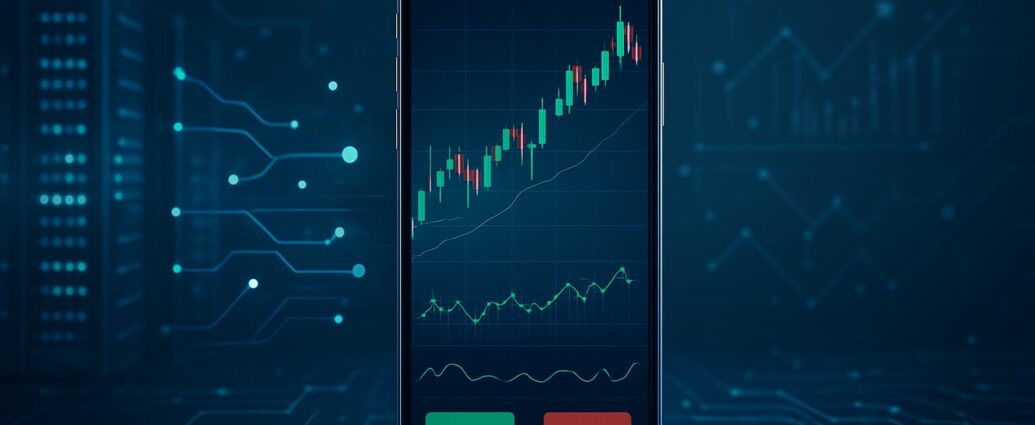
The forex market operates around the clock, spanning financial centers from Tokyo to New York. For forex trading app android who want to stay connected to this market throughout the trading day, a capable mobile application is no longer optional — it is a core part of the trading infrastructure. Yet with a wide range of apps available, knowing how to evaluate them against professional standards requires a clear framework and an understanding of what genuinely matters.
What Is a Forex Trading App and How Does It Work?
A forex trading app is a mobile application that connects traders to the foreign exchange market through a broker’s trading infrastructure. Once logged in, traders can access live price feeds, view charts, apply technical indicators, and execute buy or sell orders on currency pairs — all directly from an Android device.
The app communicates with the broker’s servers in real time, ensuring that price data and order updates are reflected without significant delay. The quality of this connection, and the reliability of the underlying infrastructure, determines how smoothly the app performs under live market conditions.
Which Features Separate a Good Forex Trading App From an Average One?
When evaluating a forex trading app android, there are several features worth examining closely. Real-time charting with adjustable timeframes is foundational — without it, traders cannot perform meaningful technical analysis on mobile. Support for a broad selection of order types, including market orders, limit orders, and stop-loss orders, is equally important.
Beyond these basics, the ability to set custom price alerts, view account equity and margin in real time, and access a full transaction history all contribute to a more complete trading experience. Apps that consolidate these functions within an intuitive interface reduce the time traders spend navigating and increase the time they spend analyzing.
How Important Is App Stability During High-Volatility Market Events?
App stability during major market events — such as central bank announcements or significant economic data releases — is a practical concern that separates reliable platforms from unreliable ones. High-volatility periods attract large trading volumes, which places strain on server infrastructure and app performance.
Traders who have experienced app crashes or disconnections during critical moments understand the operational and financial implications this can create. Choosing a platform with a demonstrated track record of uptime and performance stability is a worthwhile consideration before committing to a mobile trading setup.
How Can Traders Evaluate an App Before Committing to Live Trading?
Demo accounts offer the most practical method of evaluating a trading app before using it with real capital. A demo environment replicates live market conditions — including real-time price data and full platform functionality — without financial risk. This allows traders to assess the app’s interface, test order execution, and explore analytical tools in a realistic context.
Traders new to a particular platform benefit significantly from spending time in demo mode. It builds familiarity with the app’s layout, reduces the likelihood of operational errors in live trading, and provides a low-pressure environment for refining strategy.
What Should Traders Know About App Updates and Ongoing Development?
A trading app that receives regular updates signals that the development team is actively maintaining and improving the platform. Updates typically address security vulnerabilities, improve performance, introduce new features, and resolve compatibility issues with newer Android operating system versions.
Traders should check the update history of any app they are considering. Frequent, consistent updates indicate a well-supported product. Conversely, an app that has not been updated in an extended period may carry unresolved issues or lack support for current Android versions.
Starting Strong With Mobile Forex Trading
A thoughtful approach to selecting a forex trading app pays dividends over the long term. The right app supports better decision-making, reduces friction in the trading process, and provides a stable foundation for managing positions wherever you are. Taking the time to research, test, and evaluate platforms before committing to one is a straightforward step that every serious trader should take.