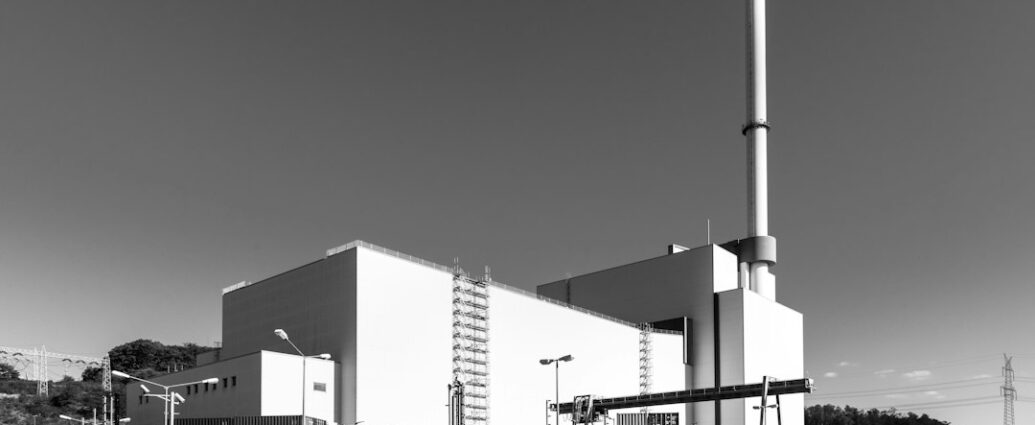
Industrial development is moving toward a more sophisticated model where architecture, engineering, functionality, and business requirements are considered as part of one connected vision. Modern facilities are expected to support efficient operations while also delivering quality, adaptability, sustainability, and a strong visual identity. Hannas reflects this evolving approach by bringing architectural thinking into industrial development and exploring how thoughtful design can create spaces prepared for the changing needs of Australian businesses.
Table of Contents
- Architecture Is Expanding the Role of Industrial Property
- Functionality Remains Central to Good Industrial Design
- Design Can Create Stronger Business Environments
- Flexibility Is Influencing Future Industrial Architecture
- Technology Is Becoming Part of the Design Process
- Sustainability Is Shaping Architectural Decisions
- The Site Influences the Architectural Approach
- People Are Becoming More Visible in Industrial Design
- Future Industrial Development Will Be More Integrated
- Conclusion
Architecture Is Expanding the Role of Industrial Property
Industrial buildings were once primarily associated with storage, manufacturing, and logistics. Today, their role has expanded considerably. Many facilities combine warehouses, offices, technology infrastructure, staff amenities, loading areas, and specialised operational spaces within a single development.
Architectural thinking helps bring these different functions together. Rather than treating each requirement separately, contemporary design considers how spaces connect, how people move through them, and how businesses can operate efficiently within the overall environment.
Functionality Remains Central to Good Industrial Design
Architectural quality must be supported by practical performance. Industrial facilities need to accommodate vehicles, equipment, products, employees, deliveries, and technology while maintaining clear and efficient movement.
Carefully planned circulation, floor configurations, access points, loading areas, storage zones, and workspaces can improve operational flow. When these elements are integrated into the design from the beginning, industrial properties can provide greater functionality without sacrificing visual quality.
Design Can Create Stronger Business Environments
Industrial properties are increasingly viewed as important extensions of a business identity. A well-designed facility can provide a professional environment for employees, clients, suppliers, and visitors.
Architectural details such as contemporary façades, landscaping, entrances, materials, lighting, and signage integration can contribute to a distinctive identity. These features can create a positive first impression while supporting the practical objectives of the facility.
Flexibility Is Influencing Future Industrial Architecture
Industrial businesses continue to evolve through automation, new logistics models, changing workforce requirements, and technological advancement. Buildings therefore need to accommodate more than their initial purpose.
Flexible architectural planning can create spaces that adapt over time. Open configurations, adaptable work areas, appropriate structural planning, and technology-ready infrastructure can give businesses greater freedom to modify their operations as they grow.
Technology Is Becoming Part of the Design Process
The increasing use of automation and digital systems is influencing industrial architecture. Modern facilities may require advanced connectivity, automated equipment, smart security, energy monitoring, and sophisticated building management systems.
Architectural planning can account for these requirements from the early stages. Integrating technology into the spatial design allows physical environments to work more effectively with digital operations.
Sustainability Is Shaping Architectural Decisions
Sustainability is becoming a central consideration in contemporary industrial design. Natural lighting, energy-efficient systems, water management, landscaping, responsible materials, and efficient building envelopes can contribute to improved environmental performance.
Architectural thinking allows these elements to become part of the overall design rather than separate additions. This integrated approach can create industrial spaces that are efficient, comfortable, and aligned with modern sustainability expectations.
The Site Influences the Architectural Approach
Every industrial development has a unique relationship with its location. Road networks, surrounding businesses, topography, access, infrastructure, and neighbouring environments can all influence architectural decisions.
Understanding the site allows designers to position buildings and supporting spaces more effectively. Thoughtful site planning can improve access, circulation, landscaping, and connectivity while creating a stronger relationship between the development and its surroundings.
People Are Becoming More Visible in Industrial Design
Industrial facilities are workplaces, making the experience of employees increasingly important. Staff amenities, natural light, comfortable areas, accessible facilities, landscaping, and safe movement routes can contribute to a more positive environment.
Architectural thinking brings greater attention to these human elements while maintaining the operational requirements of industrial property. The result can be workplaces that support both productivity and employee experience.
Future Industrial Development Will Be More Integrated
The future of industrial development is likely to bring architecture, technology, sustainability, infrastructure, and business functionality even closer together. Developments will increasingly need to perform efficiently while providing adaptable and visually considered environments.
This integrated approach creates opportunities for industrial property to become more than functional infrastructure. It can become a carefully designed business environment capable of supporting long-term growth.
Conclusion
Architectural thinking is adding a new dimension to industrial development by connecting functionality with design, technology, sustainability, and human experience. Modern industrial facilities can now be planned as complete environments that support business operations while remaining adaptable to future requirements. By combining architectural principles with practical industrial knowledge, future developments can deliver spaces that are efficient, distinctive, sustainable, and prepared for the evolving needs of Australian businesses.